
Providing Aggressive
and Compassionate
Representation.
and Compassionate
Representation.
Guiding You Through Difficult Proceedings.

Being caught up in the civil court process for a stalking protection order is one of the most unsettling experiences a person can face. Whether you are the petitioner seeking protection because someone has made you feel unsafe, or you are the respondent confronted with allegations that may upend your personal and professional life, the stakes are high and the legal terrain is complex. At Findley‑Wolf Law in King County, Washington, attorneys Natalie Findley‑Wolf and Samuel J. Wolf provide strategic, compassionate, and experienced counsel for clients confronting stalking protection order proceedings and the legal consequences that come with them.
Our attorneys draw on decades of combined experience in criminal defense and civil litigation to help clients navigate the interplay between Washington courts, statutory requirements, evidentiary challenges, and long term consequences. We understand that a stalking protection order is a civil process with potentially criminal ramifications. We also understand how fear, rumors, and misunderstanding can escalate quickly when someone feels threatened or when someone is accused of threatening behavior. We work diligently to protect your legal rights and ensure fairness throughout the process.
In Washington State, stalking protection orders are governed by the civil protection order statute contained in Revised Code of Washington (RCW) Chapter 7.105. This comprehensive statute allows individuals who reasonably fear for their safety because of stalking to seek a court order restraining another person from engaging in harmful conduct. Stalking itself is defined under the criminal code in RCW 9A.46.110 and involves a repeated pattern of behavior that would cause a reasonable person to fear for their safety or suffer substantial emotional distress.
A stalking protection order is not a criminal conviction. It is a civil court’s determination that sufficient evidence exists to justify court‑ordered restrictions on the respondent’s behavior toward the petitioner. The petitioner is the person seeking protection, and the respondent is the person against whom the order is sought. The order may impose conditions such as no contact, stay away from specific places, and other restrictions. Because the proceedings are civil, the standard of proof is a preponderance of the evidence, meaning that the court must find it more likely than not that stalking occurred.
While civil in nature, the implications can reach far beyond the courtroom. Violating a stalking protection order is itself a crime under Washington law. Violations can result in arrest and prosecution, with potential jail time, fines, and long term impact on personal liberty. In some cases, criminal stalking charges under RCW 9A.46.110 may accompany or follow a protective order petition. Understanding how these processes interact is essential.
A stalking protection order petition must describe behavior that meets the statutory elements of stalking. Under RCW 9A.46.110 stalking includes any repeated harassment or surveillance of another person that would cause a reasonable person to fear for their safety or suffer substantial emotional distress. Patterns of conduct matter. Isolated or isolated incidents that do not show a course of repeated behavior typically do not satisfy the legal definition of stalking. The law was written with the understanding that true stalking involves ongoing conduct that causes substantial and sustained harm.
Examples of behavior that might form the basis for a petition include repeated unwanted visits to a person’s home or workplace, persistent unwanted communication by phone or electronic means, and following or monitoring someone’s movements. Emotional distress is measured not merely by subjective fear but by whether a reasonable person in similar circumstances would experience significant anxiety, fear, or emotional harm.
Courts will examine the frequency, duration, and context of conduct alleged to be stalking. Single or sporadic communications, absent corroborating behavior, are less likely to satisfy the statutory threshold. A well drafted petition will articulate specific dates, behaviors, and the impact on the petitioner’s sense of safety.
Anyone who reasonably fears stalking behavior may file a petition for a stalking protection order in the county where they reside or where the conduct occurred. The petition must be in writing and include factual statements explaining why a protection order is necessary with specific information about what is alleged to have occurred. It should describe the stalking behavior with sufficient detail for the court to evaluate the claims.
IAlmost all petitions start with a petitioner requesting a temporary order on an ex parte basis, meaning without the respondent present.Temporary stalking protection orders are in place (if granted) until a full hearing can be scheduled, typically in 14-21 days. These orders can take effect immediately and restrict the respondent’s contact with the petitioner, impose stay‑away requirements, and limit communication in any form.
Temporary orders can be disruptive. That disruption is part of the reason why immediate legal assistance is crucial. A temporary order is not final, but it can establish initial restrictions that affect daily life. Review of the petition and preparation for the upcoming hearing should begin immediately.
A full hearing on a stalking protection order usually takes place within a few weeks of the temporary order’s issuance. At this hearing, both the petitioner and respondent have the opportunity to present testimony, evidence, and witness statements. The petitioner carries the burden of proof. The judge will listen to both sides, assess credibility, and determine whether the statutory elements of stalking have been met.
Judges consider the totality of the circumstances. They look at patterns over time, consistency of accounts, corroborating evidence, physical evidence, electronic records, and any other material that sheds light on the allegations and credibility of witnesses. The respondent has the right to challenge the petitioner’s assertions, present witness statements, and introduce evidence that offers an alternative narrative or explanation.
Because the standard of proof is a preponderance of the evidence, the petitioner must demonstrate that it is more likely than not that stalking occurred. This is not as stringent as a criminal burden beyond a reasonable doubt, but it still demands evidence.
The judge’s decision at the full hearing is critical. If a final stalking protection order is issued, it may remain in effect for a fixed period, often up to one year. The court may extend the order. Final orders can impose significant limitations on the respondent’s behavior and freedom.
A stalking protection order can include a variety of restrictions aimed at preventing further harmful conduct. It can order the respondent to have no contact with the petitioner in person or through third parties. It can require the respondent to stay a specified distance away from the petitioner’s home, workplace, or other places the petitioner frequents. The court will also prohibit any form of indirect communication, including through social media, email, or mutual acquaintances.
Beyond restricting contact, the court has discretion to impose other measures it deems reasonably necessary to protect the petitioner. Because these orders are enforceable by law enforcement, noncompliance can escalate quickly into criminal consequences. Respondents must understand every term of the order and comply exactly, as misunderstandings can lead to unintentional violations with serious repercussions.
While a stalking protection order itself is a civil remedy, Washington law criminalizes willful violation of such an order. A violation can lead to arrest and prosecution. If convicted of violation of a stalking protection order, the respondent may face jail time, community supervision, fines, and a criminal record. Enhanced penalties may apply if repetitive violations occur or if the violations themselves involve additional criminal conduct.
In some situations, violation of a protective order can lead to charges that are classified as gross misdemeanors or felonies, depending on the underlying conduct. Enhancement of penalties generally occurs where there is repeated disobedience of the order or actions that endanger the petitioner or others.
Washington’s Sentencing Reform Act considers prior convictions and the nature of the violation when determining a sentence. A conviction for violating a protective order can significantly increase a person’s offender score, expose them to longer incarceration, and affect future sentencing. In cases where stalking itself is independently charged under RCW 9A.46.110, those criminal charges carry their own sentencing structures, separate from any protective order violation.
A stalking protection order proceeding may occur concurrently with a criminal investigation or prosecution for stalking or related offenses. In criminal court, the state must prove guilt beyond a reasonable doubt, a higher burden than in civil court. Statements made in a civil stalking protection order hearing may be considered by prosecutors or used in criminal proceedings,.
Respondents often face difficult choices about whether to testify at a civil hearing. Testifying provides an opportunity to contest the petitioner’s allegations, but it also creates a record that prosecutors might use. This strategic decision requires careful counsel. Whether to testify, what to say, and how to approach cross examination are matters best handled with experienced legal support.
Our attorneys at Findley‑Wolf Law analyze both the civil and potential criminal exposures in these cases. We coordinate defense strategies that protect clients not only in the civil stalking protection order hearing but also in any parallel or future criminal matter. This holistic approach ensures that one proceeding does not inadvertently compromise the other.
Evidence and credibility often decide stalking protection order cases. Courts rely on testimony, records of communication, witness accounts, and any documentary evidence to evaluate the petition. Testimony must be consistent, credible, and connected logically to the alleged behavior and its impact on the petitioner.
Electronic evidence, such as texts, emails, social media history, phone logs, and digital metadata, plays a growing role in these hearings. Both petitioners and respondents may introduce such evidence to support their version of events. Interpretation of this material requires understanding context, timing, and authenticity.
Witness testimony also factors into the judge’s assessment. Neighbors, co‑workers, friends, or others with relevant firsthand observations may bolster one side’s account.
Judges also consider the emotional and psychological impact on the petitioner. The law measures emotional distress in terms that a reasonable person would find significant and persistent. Understanding how judges interpret these criteria is part of effective representation.
Many people assume that the mere filing of a stalking protection order implies criminal guilt. This is not accurate. Protective order proceedings are civil, and their outcome does not constitute a criminal conviction. Civil orders may reflect a judge’s determination that protection is warranted based on the evidence, not a finding of criminal guilt beyond a reasonable doubt.
However, a strong defense should include more than denial, where possible. It requires factual evidence that could contradict the petitioner’s statements, coherent and organized narratives and information,, and legal strategy that challenges the sufficiency of the petitioner’s case. Experienced counsel scrutinizes every allegation for legal adequacy and evidentiary support.
Some people also believe that civil stalking protection orders are temporary nuisances without lasting consequence. In reality, these orders, once final, can affect employment, housing, professional licensing, reputation, and personal relationships. Understanding these long term effects is part of the decision‑making process for both petitioners and respondents.
Stalking protection order proceedings unfold quickly, involve intense emotion, and can have lasting consequences. Whether you are seeking protection or responding to a petition, you deserve representation that is informed, strategic, calm under pressure, and knowledgeable about Washington courts. Attorneys Natalie Findley‑Wolf and Samuel J. Wolf bring deep criminal defense experience and civil courtroom expertise to every case they handle. They prepare thoroughly, communicate clearly, and advocate with intelligence and integrity.
We take time to understand the personal context behind each case and to explain the legal standards in plain language. We help clients make informed decisions, anticipate possible outcomes, and plan for what comes next. Our focus is not just on the immediate hearing but on safeguarding your future.
Stalking protection orders present real legal and personal challenges. The process can feel overwhelming, but you do not have to navigate it alone. At Findley‑Wolf Law, we are committed to protecting your rights, clarifying your options, and building a defense or support strategy that aligns with your goals and circumstances. If you are involved in a stalking protection order proceeding or are considering filing one, reach out for experienced legal guidance that understands both sides of the courtroom and the law. Call our office today to discuss your situation and begin a thoughtful, strategic approach to your case.
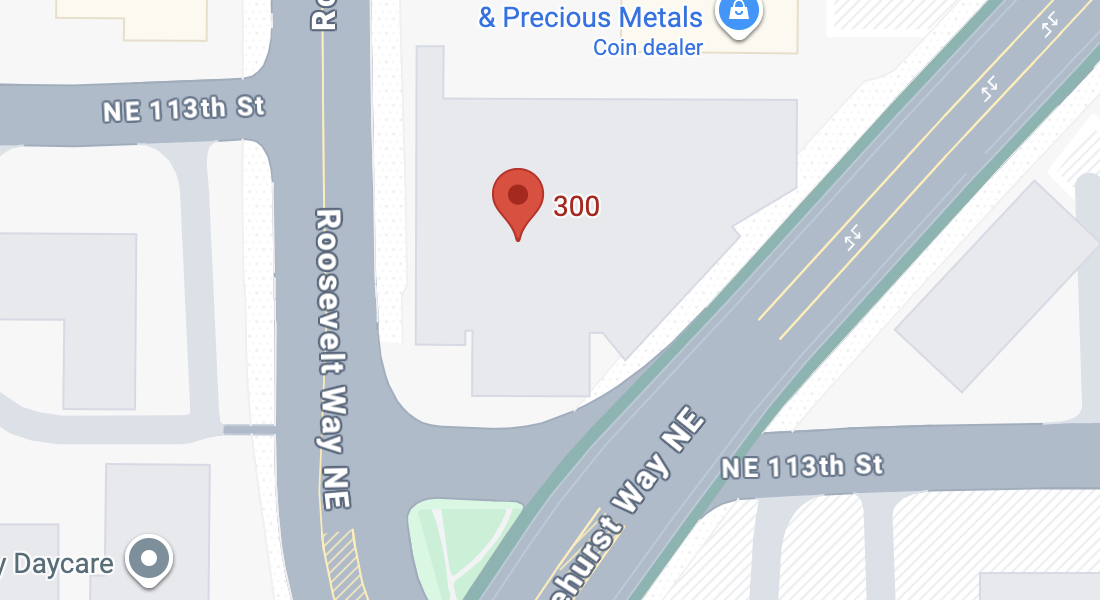
Seattle, WA 98125

Free Consultation (206) 228-2800