
Providing Aggressive
and Compassionate
Representation.
and Compassionate
Representation.
Guiding You Through Difficult Proceedings.

When a young person is accused of burglary or robbery, the situation can change a family’s life overnight. Parents are often caught off guard. These cases carry serious implications in Washington State. At Findley-Wolf Law, attorney Natalie Findley-Wolf guides families through this uncertain time with a balance of legal skill and compassion. We protect our clients’ rights, investigate every fact, and work to ensure that a single event does not define a young person’s future.
Our practice is rooted in the understanding that children make mistakes, and that rehabilitation, not punishment, should be the focus of Washington’s juvenile justice system. Burglary and robbery cases often arise from complex social circumstances; peer influence, immaturity, family stress, or misjudgment. We take the time to understand the child’s background, mental health, and motivations, using those insights to develop a defense that is not only strategic but also humane. Our goal is to help families regain stability while protecting every legal and personal opportunity the youth still has ahead.
Under Washington law, burglary and robbery are among the most serious property-related offenses a juvenile can face. Burglary, defined in RCW 9A.52, involves unlawfully entering or remaining in a building with intent to commit a crime. It becomes first-degree burglary when a weapon is involved or a person inside is injured. Second-degree burglary covers most other situations where a person enters a building without permission and with criminal intent.
Robbery, found in RCW 9A.56.190, involves taking property directly from another person through force or intimidation. It is considered a violent offense even if no injury occurs because the act includes an element of threat. Robbery in the first degree requires proof that the accused was armed with a deadly weapon or caused bodily harm. Second-degree robbery covers all other robberies involving intimidation or physical struggle.
The distinction between burglary and robbery may sound technical, but in court it determines everything from the level of charge to potential disposition. Burglary focuses on the location of the alleged act; robbery focuses on the personal confrontation. In juvenile cases, these definitions intersect with questions of intent and maturity.
These cases usually begin with a rapid police response. A report of suspicious activity, an alleged break-in, or a confrontation in a public place can quickly escalate. Law enforcement officers may question multiple minors at once, search backpacks or vehicles, and seize cell phones for evidence. In many situations, parents are not immediately notified or present during questioning.
At Findley-Wolf Law, we intervene as early as possible to protect the child’s rights. We review every step of the police investigation to determine whether searches were lawful and whether statements were truly voluntary and that the officers complied with requirements to contact youth counsel. We also preserve evidence the police might overlook—cell phone data, text messages, or witness accounts that challenge the official narrative. Early involvement often makes the difference in final outcomes.
A strong defense depends on strong investigation. Our attorneys do not rely solely on police reports. We conduct independent interviews, review surveillance footage frame by frame, and consult with forensic and psychological experts when needed. In burglary cases, we often examine whether the accused had permission to enter the property, whether intent can be proven, and whether damage or theft actually occurred. A youth who followed friends into an unlocked structure or retrieved personal property may not meet the legal definition of burglary.
Robbery allegations require special attention to perception and sequence. Was there an actual taking of property? Was fear reasonably created? Did the alleged victim misinterpret a confrontation or argument? These questions can redefine the case. Our analysis focuses on things like gaps in the timeline, careful review of video footage, inconsistencies in statements, and any evidence that the youth’s actions were impulsive rather than calculated. Each of these distinctions matters when presenting the case to a judge or negotiating with prosecutors.
Intent is one of the most misunderstood elements of these cases. Prosecutors must prove that the young person intended to commit a crime at the moment of entry or confrontation. That state of mind cannot be guessed; it must be inferred from evidence. We use that requirement to our clients’ advantage. Social context often reveals that the alleged act was spontaneous, emotional, or even accidental rather than planned.
For example, a teen who follows friends into a garage may not know that entry was unauthorized. A youth accused of robbery may have participated in a scuffle over property without realizing it constituted a legal taking. These distinctions separate criminal intent from adolescent behavior. Our role is to give the court a complete and accurate understanding of those dynamics so that punishment does not replace opportunity for growth.
Washington’s juvenile courts operate on a philosophy that emphasizes accountability through education, counseling, mentorship and treatment rather than punishment. Judges have options to order counseling, mentorship or community service instead of detention. King County, in particular, offers diversion opportunities for eligible youth that allow cases to be resolved outside the formal court process. Successful completion of diversion results in dismissal, giving the child a chance to move forward without a record.
Even when diversion is not immediately available, we use mitigation and advocacy to shape outcomes. Demonstrating a child’s willingness to engage in therapy, maintain school attendance, or participate in community programs can persuade the court to impose a non-custodial sentence. Every positive step (academic progress, volunteer work, family support) can influence how the case is resolved. Our attorneys emphasize progress, not punishment, as the measure of success.
Much of our courtroom work centers on the integrity of evidence. Surveillance video may not clearly show faces. Witnesses, especially other minors, can contradict one another or misinterpret events. Physical evidence like fingerprints or DNA can be challenged. We carefully review the state’s discovery and file motions to suppress evidence obtained through unlawful searches or coerced statements.
We also challenge procedural errors. By holding the prosecution to its burden of proof, we often create leverage for dismissal or favorable plea terms. The outcome of many juvenile cases depends on the defense’s ability to narrow the evidence to what is reliable and fair.
Even after a juvenile case concludes, the consequences can persist. Restitution orders can create financial pressure for families. Our advocacy continues beyond the courtroom to address these realities. WWe work with families to coordinate compliance with probation conditions and restitution schedules, helping them complete requirements efficiently and avoid further complications. Our goal is always long-term stability, not just short-term resolution.
Parents often feel powerless during a juvenile case, but their involvement can dramatically affect outcomes. We include families in discussions, ensuring they understand deadlines, hearings, and possible consequences. We encourage active participation in counseling, school meetings, and court appearances. A supportive home environment demonstrates to judges that accountability is real and that the youth has a foundation for rehabilitation.
After resolution, we continue to advise families on probation requirements and strategies to prevent future legal trouble. Our commitment extends beyond closing a case; it extends to helping young people rebuild confidence and direction.
Findley-Wolf Law was built on the belief that every juvenile case deserves both rigorous legal defense and deep personal advocacy. Natalie Findley-Wolf brings years of experience in Washington’s juvenile courts, a strong grasp of local procedure, and a genuine commitment to helping families recover from crises. She is a skilled negotiator and trial lawyer who understands that the best defense is built on preparation, compassion, and credibility.
Our firm’s approach is hands-on and transparent. We keep communication open, involve families, and tailor every defense to the individual. Whether through negotiation, motion practice, or trial, we pursue outcomes that protect the client’s rights, minimize collateral harm, and preserve future possibilities.
If your child has been accused of burglary, robbery, or a related offense in King County or anywhere in Washington State, you do not have to navigate the process alone. Contact Findley-Wolf Law for a confidential consultation. Our attorneys will analyze the allegations, explain your options, and begin taking immediate steps to safeguard your child’s record and reputation.
Time matters in juvenile cases. Early representation can determine whether a young person faces confinement, faces more significant confinement, or receives additional opportunities. Call our office or reach out through our website today. We will act quickly to protect your child’s rights, challenge the evidence, and fight for an outcome that allows your family to move forward with dignity and hope.
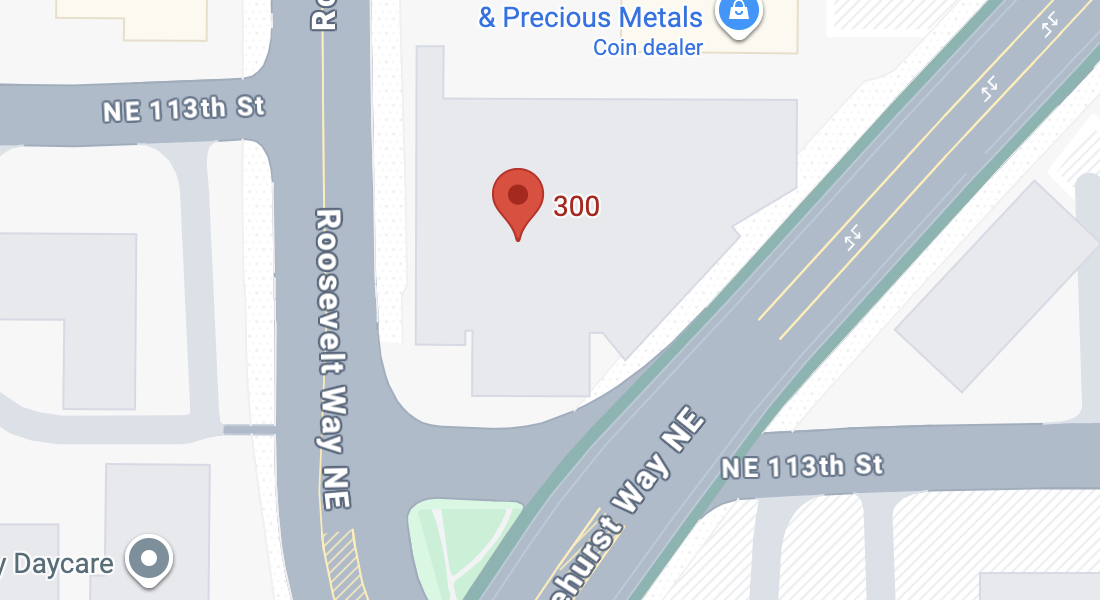
Seattle, WA 98125

Free Consultation (206) 228-2800