
Providing Aggressive
and Compassionate
Representation.
and Compassionate
Representation.
Guiding You Through Difficult Proceedings.

An anti‑harassment order is a civil legal tool available under Washington law that can be sought by individuals who are being unlawfully harassed, intimidated, or contacted in a way that seriously alarms, annoys, or harasses them. At Findley‑Wolf Law, located in King County, Washington, attorneys Natalie Findley‑Wolf and Samuel J. Wolf provide experienced legal analysis and representation for clients involved in anti‑harassment order proceedings, whether they are seeking protection or defending against a petition. Our firm’s depth of experience communicating with courts, prosecutors, and opposing counsel ensures that our clients understand not only the legal standards that apply but also the strategic choices that can affect the outcome of their case.
Civil protection orders, including anti‑harassment orders, often arise in emotionally charged situations. They can impact your personal and professional life, your relationships, your reputation, and even your future opportunities for employment, licensing, and community involvement. These orders are civil in nature, but violating or mismanaging them can lead to criminal consequences, including arrest and prosecution. Because these legal proceedings move quickly and have long lasting effects, knowledgeable counsel is essential. Our attorneys at Findley‑Wolf Law approach each anti‑harassment matter with individualized care, drawing on decades of combined experience representing clients in King County courts and beyond.
In Washington State, an anti‑harassment order is a specific civil protection order designed to stop conduct that rises to the level of unlawful harassment. This is distinct from other protective orders such as those intended to prevent domestic violence, stalking, or sexual assault, though the statutory framework for these orders often overlaps. Anti‑harassment orders can be sought when someone’s behavior seriously alarms, annoys, or harasses another person without a legitimate purpose. The conduct must be ongoing or repeated, not a single isolated act (except in special circumstances, such as where a weapon is used in conjunction with other behavior), and it must have a substantial effect on the petitioner’s emotional well‑being or sense of safety.
Petitioners file for anti‑harassment orders when they need legal intervention to stop unwelcome conduct because other legal avenues, such as calling the police, seeking criminal harassment charges, may not offer immediate relief or may not fully address the civil dynamics of the situation. For example, these situations can often involve neighbors or co-workers.
The process is civil, meaning the standard of proof the petitioner must meet is a preponderance of the evidence. This is lower than the criminal standard of proof beyond a reasonable doubt, but it still requires clear factual support showing that the respondent’s conduct meets the statutory criteria for harassment and that an order is necessary.
An anti‑harassment order may be sought by by someonewho believes another person’s conduct meets the statutory definition of harassment. Petitioners can seek orders on their own behalf or on behalf of a vulnerable adult or minor for whom they are responsible. The respondent is the person who is alleged to be engaging in harassing conduct.
The law does not limit anti‑harassment orders to particular types of relationships. Unlike domestic violence protection orders, which require a specified relationship between the parties, anti‑harassment orders do not require that the parties be related by blood or marriage, live together, or share children in common. This broader applicability makes anti‑harassment orders a common choice when the petitioner and respondent do not have a defined familial or household relationship but there is still a need for protection.
To qualify for an anti‑harassment order, the petitioner must show that the respondent has engaged in conduct that constitutes unlawful harassment. Unlawful harassment generally involves a pattern of behavior that is intended to harass, intimidate, or alarm the petitioner. The conduct must be persistent or repeated in a way that would seriously disturb a reasonable person’s peace and mental calm. Single incidents, absent context or repetition, typically do not meet the legal definition.
Examples can include repeated unwanted phone calls, text messages, emails, social media contact, watching or following the petitioner in person or online, sending unwanted gifts or communications, showing up at the petitioner’s workplace, or any form of conduct that is unwelcomed and causes significant disruption to the petitioner’s life. Context matters: behavior that may be innocuous in one setting can amount to unlawful harassment when it is persistent, threatening, or causes distress.
The court assesses whether the petitioner’s allegations, if taken as true, demonstrate conduct that would seriously disturb the peace of a reasonable person in similar circumstances. It also evaluates whether the petitioner themselves has genuinely experienced significant emotional impact or fear because of the conduct. This dual focus on objective and subjective perspectives is central to the legal analysis.
To initiate the process, a petitioner files a written petition with the court detailing the specific acts or patterns of conduct that they believe constitute unlawful harassment. The petition should describe dates, times, locations, direct quotations if relevant, and the impact of the behavior on the petitioner.
In urgent situations where there is an immediate need to prevent further harassment, a petitioner may request a temporary anti‑harassment order. The judge can issue this order on an ex parte basis, meaning without the respondent being present, if the petitioner demonstrates a reasonable fear of immediate harm or continued harassment. Temporary orders are meant to provide interim protection and remain in effect until a full hearing can be held.
Temporary orders can impose restrictions such as prohibiting the respondent from contacting the petitioner directly or indirectly, requiring the respondent to stay a specified distance away from the petitioner’s home or workplace, and setting other conditions tailored to the situation. While temporary, these orders carry the force of law, and violating them can lead to criminal consequences.
After a temporary order is issued, the court schedules a full hearing, usually within a set number of days, where both sides may present their case. At this hearing, the petitioner brings evidence and testimony supporting the need for a permanent anti‑harassment order. Because the standard of proof is a preponderance of the evidence, the petitioner must show that it is more likely than not that harassment occurred and that a protective order is necessary to prevent further harm.
Respondents have the right to be present at the full hearing, to present their own evidence, to call witnesses, and to cross examine the petitioner and any supporting witnesses. Respondents may challenge the sufficiency of the petitioner’s evidence, argue that the conduct does not meet statutory definitions, or assert defenses that explain the context of the interactions.
The judge evaluates all presented evidence, assesses credibility, and determines whether the statutory elements for an anti‑harassment order have been met. Judges consider patterns, context, consistency of testimony, documentary evidence such as texts or emails, witness statements, and any other relevant material that clarifies the nature and impact of the conduct.
If the judge finds that the petitioner has met the burden of proof, the court may issue a final anti‑harassment order. Final orders can remain in effect for a set period, often up to one year, and may be extended if circumstances demonstrate ongoing risk. Final orders restrict the respondent’s behavior in specific ways determined by the court.
A final anti‑harassment order can restrict the respondent from contacting the petitioner in any form, including in person, by phone, text, email, social media, or through third parties. The respondent may be ordered to stay away from specific locations associated with the petitioner, such as the petitioner’s home, workplace, or school. Other conditions may include refraining from stalking or surveillance and avoiding any conduct that could be interpreted as purposeful harassment.
These restrictions are legally enforceable. Law enforcement officers may arrest a respondent who violates the terms of the order, even if the underlying conduct is not otherwise criminal. Respondents must understand each term of the order to ensure compliance, as even inadvertent violations can result in serious legal consequences.
While anti‑harassment orders are civil remedies, Washington law makes it a crime for a respondent to willfully violate an order. Violations can lead to arrest and prosecution on criminal charges. If convicted, respondents may face fines, jail time, community supervision, and a criminal record.
The severity of penalties often depends on the nature of the violation and the respondent’s prior history. Repeat violations can lead to enhanced sentences under Washington’s sentencing statutes. For example, a repeated or aggravated violation could elevate a gross misdemeanor to a more serious offense, subjecting the respondent to longer incarceration and greater fines. In cases where violent conduct accompanies or exacerbates the violation, prosecutors may pursue additional charges that carry their own penalties.
In some situations, violating the order can have collateral consequences beyond the immediate criminal penalties. For instance, a conviction for harassment or for violating an order can affect employment, professional licensing, immigration status, and eligibility for firearms ownership. Washington courts often consider an individual’s compliance with court orders when determining sentencing in related or future cases.
In many instances, anti‑harassment order proceedings occur alongside criminal investigations or prosecutions. For example, a petitioner may pursue a civil anti‑harassment order while also filing criminal harassment or cyber harassment charges with law enforcement. Statements made in the civil hearing may intersect with criminal investigations, although the legal standards differ. The civil standard is preponderance of the evidence, while the criminal standard is beyond a reasonable doubt.
When both civil and criminal matters are at play, counsel must coordinate defense strategy across both arenas. Civil hearings can inadvertently create evidence that prosecutors use in criminal cases, and testimony taken in civil court may be admissible in related criminal proceedings. Strategic scheduling, careful testimony decisions, and tactical evidence presentation can mitigate the risk of creating leverage for the prosecution.
Anti‑harassment order proceedings move quickly, involve nuanced legal analysis, and require careful evidentiary preparation. At Findley‑Wolf Law, attorneys Natalie Findley‑Wolf and Samuel J. Wolf bring a comprehensive defense perspective to these cases. They understand how civil and criminal processes intersect in Washington courts and how to use legal strategy to achieve the best possible outcome for each client.
Whether you are seeking protection from ongoing harassment or defending against a petition that could have serious personal and legal implications, the process requires thoughtful strategy, legal insight, and careful preparation. Anti‑harassment orders are powerful legal tools that serve an important function, but they must be approached with full understanding of their effects and legal requirements.
At Findley‑Wolf Law, we provide comprehensive guidance and representation to help you navigate every step of the anti‑harassment order process. From analyzing the petition to preparing evidence, from strategic decision making at hearings to coordination with parallel criminal matters, our firm handles your case with professional depth, clarity, and commitment.
If you are involved in an anti‑harassment order proceeding, contact Findley‑Wolf Law in King County today. Our attorneys offer a free consultation to discuss your case, explain your legal options, and begin crafting a strategy that protects your rights and your future. Call to set up your consultation today.
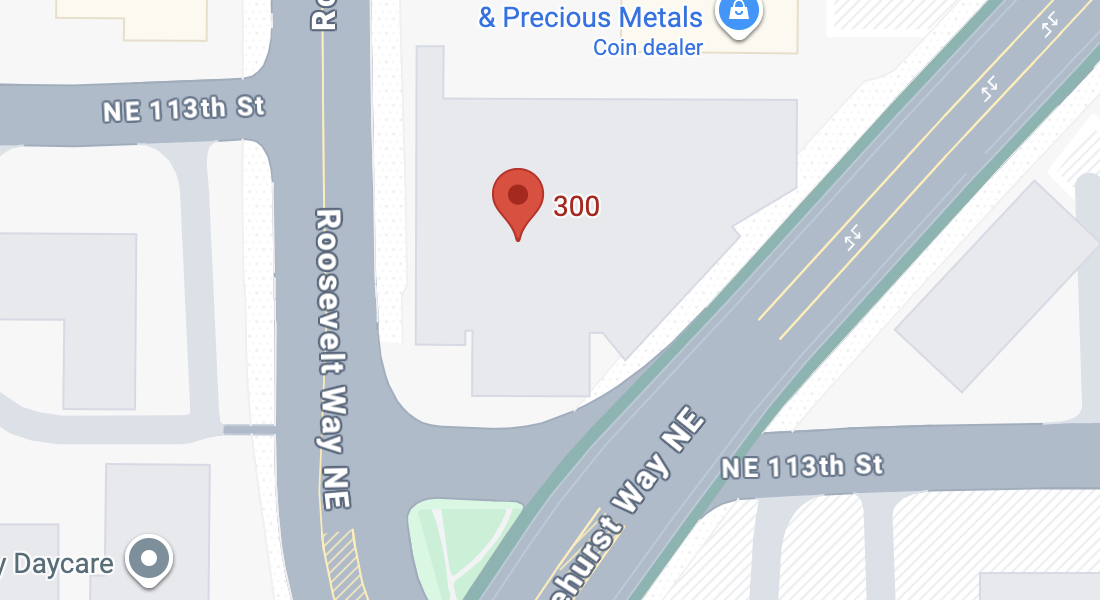
Seattle, WA 98125

Free Consultation (206) 228-2800