
Providing Aggressive
and Compassionate
Representation.
and Compassionate
Representation.
Guiding You Through Difficult Proceedings.

Domestic violence cases are among the most emotionally charged matters handled in Washington’s criminal courts. At Findley-Wolf Law, attorneys Natalie Findley-Wolf and Samuel J. Wolf represents individuals across King, Snohomish, Pierce, Island and SkagitCounties, including Seattle, Bellevue, Kent, and Redmond, who are accused of domestic violence or related offenses. These cases can carry serious criminal penalties and lasting personal consequences, often unfolding rapidly after a single incident.
A domestic violence accusation can lead to immediate arrest, jail time, restrictive no-contact orders, loss of firearm rights, and long-term harm to employment and family relationships. The moment an arrest occurs, your reputation and freedom are placed at risk. At Findley-Wolf Law, we intervene quickly to stabilize the situation, protect your rights, and begin building a defense strategy grounded in truth, context, and the laws of Washington State.
In Washington, “domestic violence” is a legal designation rather than a single offense. Under RCW 10.99, it applies to a wide range of crimes involving family or household members. This includes assault, harassment, stalking, malicious mischief, reckless endangerment, and violations of protective or restraining orders. The designation can also apply to property destruction, threats, and criminal trespass when the alleged victim is a family or intimate partner.
“Family or household members” are defined broadly. They include current and former spouses, domestic partners, people who share a child, relatives by blood or marriage, cohabitants, and dating partners. Once this relationship element is established, the underlying charge is labeled a domestic violence offense, which triggers special procedural rules and sentencing consequences under Washington law.
Penalties depend on the charge. A gross misdemeanor such as fourth-degree assault can result in up to 364 days in jail, fines, probation, and mandatory participation in a certified domestic violence treatment program. A felony charge under RCW 9A.36 or RCW 9A.46 can lead to years in prison, a permanent criminal record, and the loss of firearm rights. Some cases escalate because of alleged injuries, use of weapons, or prior convictions, which may transform what began as a misdemeanor into a felony. Understanding where your case falls within these categories is essential for effective defense planning.
Washington law requires police officers to arrest a person when there is probable cause to believe a domestic assault occurred within the past four hours between household members. These mandatory arrest rules often lead to decisions being made in the heat of conflict, before any investigation or clarification. Once the arrest occurs, prosecutors frequently file charges within days, and courts issue no-contact orders that can immediately separate families.
Taking action early is one of the most powerful ways to protect your defense. The King County domestic violence attorneys at Findley-Wolf Law respond as soon as we are retained, advising clients on how to comply with temporary orders while preparing for the first court appearance. We ensure that clients understand their rights at every stage, including the right to remain silent and the right to counsel before giving any statement. Early involvement allows us to identify witnesses, collect digital communications, and locate video or photographic evidence before it disappears.
Timing also affects the tone of the case. Prosecutors and courts form first impressions quickly. Having counsel present early demonstrates seriousness and responsibility, which can influence decisions on bail, release conditions, and plea discussions. Our team works immediately to humanize the client, present mitigating circumstances, and prevent the case from being defined solely by an initial police narrative.
A strong domestic violence defense begins with evidence. Our attorneys conduct detailed investigations to uncover facts that may contradict or contextualize the State’s version of events. We review 911 calls, police body camera footage, photographs, text messages, emails, and medical records. Each source of information is analyzed for accuracy, consistency, and bias.
Many domestic violence allegations arise in moments of stress, jealousy, or emotional volatility. It is not uncommon for claims to be exaggerated, misinterpreted, or retracted after the fact. We examine the relationship history, prior communications, and any existing disputes over finances, custody, or property that may provide motive for false or inflated accusations. When needed, we engage private investigators or forensic specialists to review physical and digital evidence.
Our approach also includes speaking with neighbors, coworkers, and friends who may have observed prior interactions or can attest to the accused’s character. Sometimes, even small details such as whether a neighbor heard an argument can significantly impact credibility. By assembling a complete picture, we are able to challenge assumptions, expose weaknesses in the prosecution’s evidence, and tell the client’s story clearly and persuasively.
Self-defense plays a central role in many domestic violence cases. Under RCW 9A.16.020, Washington law recognizes the right to use reasonable force to protect oneself or another from imminent harm. Determining whether an act qualifies as lawful self-defense depends on the immediacy of the threat, the proportionality of the response, and the intent of the person acting.
Our King County domestic violence attorneys reconstruct the sequence of events using witness statements, photographs, and medical documentation. When both parties bear injuries or when the complainant initiated the confrontation, we highlight those facts to demonstrate lawful defensive action. We also review prior communications, such as threatening messages or patterns of aggression, which can corroborate a claim of self-defense.
Proving justification requires credibility and careful presentation. Our firm has worked with experts in trauma response or other specialties to provide the court with a clear understanding of the circumstances. When successful, a self-defense claim can lead to acquittal, dismissal, or significant charge reduction. It may also influence how the court handles no-contact orders.
Domestic violence prosecutions often depend on rapid police work and emotional testimony rather than physical evidence. Our attorneys scrutinize how evidence was collected and whether constitutional rights were respected. We analyze witness statements. Alleged victims sometimes recant, change their stories, or fail to appear in court. In such situations, the prosecution may attempt to use prior recorded statements under the “excited utterance” or “hearsay exception” rules. Our firm challenges these tactics aggressively, arguing for the exclusion of unreliable or improperly admitted evidence.
Digital evidence requires equal scrutiny. Text messages, social media posts, and emails may be taken out of context or even altered. We can consult digital forensic specialists to verify authenticity and recover deleted data when necessary. Every piece of evidence is tested against the standard of proof beyond a reasonable doubt.
Washington’s sentencing laws impose harsher penalties for certain aggravating circumstances. Under RCW 9.94A.535, enhancements may apply if a weapon was involved, if the alleged offense occurred in the presence of children, or if the accused has prior domestic violence convictions. A violation of a protection or no-contact order can be charged as a separate crime, even if no new assault occurs.
We analyze each enhancement for legal sufficiency and factual support. By challenging these, we can reduce sentencing exposure or create leverage in negotiations. Our attorneys also seek alternative resolutions such as deferred prosecution, stipulated orders of continuance, or participation in treatment programs that can result in eventual dismissal.
Not every domestic violence case should go to trial. Some benefit from strategic negotiation or participation in structured programs. Washington courts sometimes allow first-time offenders to enter Domestic Violence Intervention Programs or Deferred Sentencing Agreements that focus on rehabilitation rather than punishment. These alternatives can preserve employment, minimize jail time, and reduce long-term consequences.
Our firm approaches negotiation from a position of preparation. We present prosecutors with comprehensive mitigation materials that demonstrate the client’s character, employment stability, community involvement, and family support. We highlight proactive steps such as counseling, therapy, or anger management to show responsibility and growth. These efforts often lead to reduced charges, shorter probation terms, or opportunities for dismissal upon successful completion of court-ordered conditions.
Plea negotiations are an important and pervasive part of these cases. We ensure clients understand every consequence, including how a plea might affect firearm rights, immigration status, or the ability to seal a record later. Our priority is to secure resolutions that protect both present freedom and future opportunities.
When cases proceed to trial, success depends on mastery of the facts and command of the courtroom. Our attorneys develop defense themes that humanize the accused, expose weaknesses in the State’s evidence, and underscore reasonable doubt. We cross-examine witnesses meticulously, challenge assumptions made by police, and use experts to clarify complex evidence.
Trial preparation also includes storytelling. Jurors need context. We work with clients to understand and then better articulate their experiences, ensuring that the attorneys’ presentation is thorough and authentic, and any client testimony is consistent and persuasive. Every question, exhibit, and argument is designed to demonstrate that the prosecution’s version of events is incorrect.
Our attorneys have extensive experience handling domestic violence trials throughout King, Snohomish, Pierce, Island and Skagit Counties, including Seattle Municipal Court, Bellevue District Court, and the King County Superior Court. We understand local jury dynamics, sentencing trends, and prosecutorial practices, all of which inform how we present each defense.
A domestic violence conviction has effects that extend far beyond the courtroom. It can prevent firearm ownership for life under federal and state law, restrict housing options, and limit eligibility for certain professional licenses. For parents, it can complicate custody or visitation arrangements, as courts consider domestic violence history when determining the best interests of a child. For non-citizens, it can trigger deportation or bar reentry into the United States.
Our attorneys anticipate these consequences from the outset. We design strategies that minimize collateral damage, seek charge reductions that avoid domestic violence designations when possible, and counsel clients on how to comply with protective orders without compromising their defense. Each decision is made with both immediate outcomes and long-term stability in mind.
At Findley-Wolf Law, clients receive the benefit of local knowledge, focused attention, and genuine care. Attorneys Natalie Findley-Wolf and Samuel J. Wolf have extensive experience defending individuals in domestic violence cases across King County. They understand how prosecutors evaluate cases, how local courts handle sentencing, and what it takes to persuade a jury.
Our firm operates on three guiding principles: preparation, communication, and compassion. We prepare every case as though it will go to trial. We keep clients informed and involved at every stage. And we recognize that behind every file is a person facing one of the most stressful experiences of their life. This philosophy shapes every decision we make and every argument we deliver.
If you are accused of domestic violence in Seattle, Bellevue, Kent, Redmond, or anywhere in Washington State, do not face the process alone. Contact Findley-Wolf Law immediately to discuss your case confidentially. Our attorneys will analyze the evidence, explain your legal options, and begin developing a strategy that safeguards your rights and your future.
Call or message our office today. The decisions made in the first few days after an arrest can determine how the entire case unfolds. Findley-Wolf Law is ready to respond with urgency, skill, and dedication. Your defense begins now.
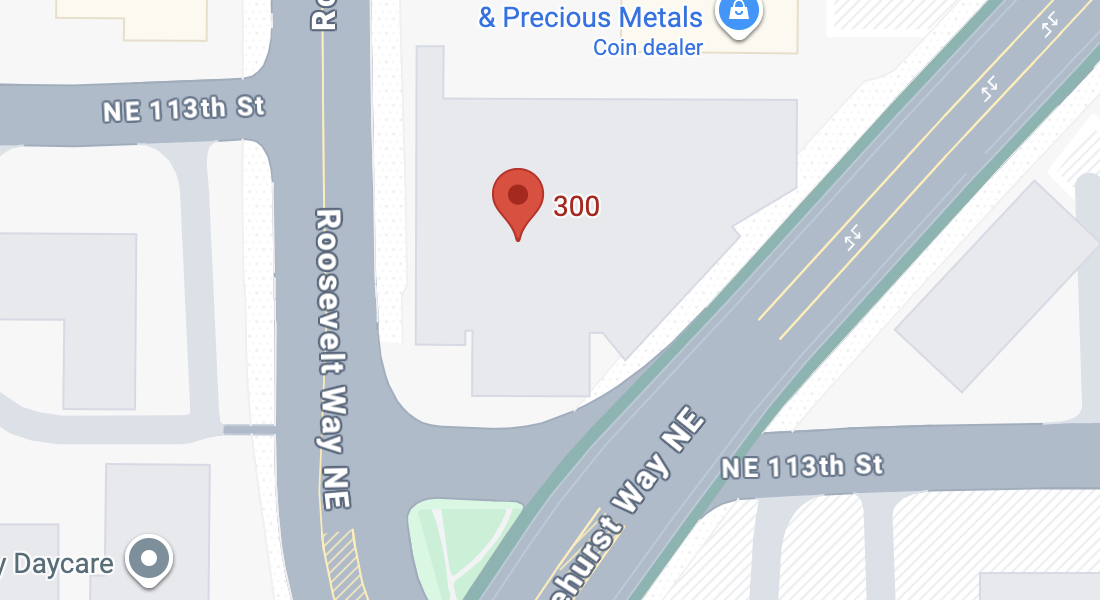
Seattle, WA 98125

Free Consultation (206) 228-2800